Plant Library
Alocasia
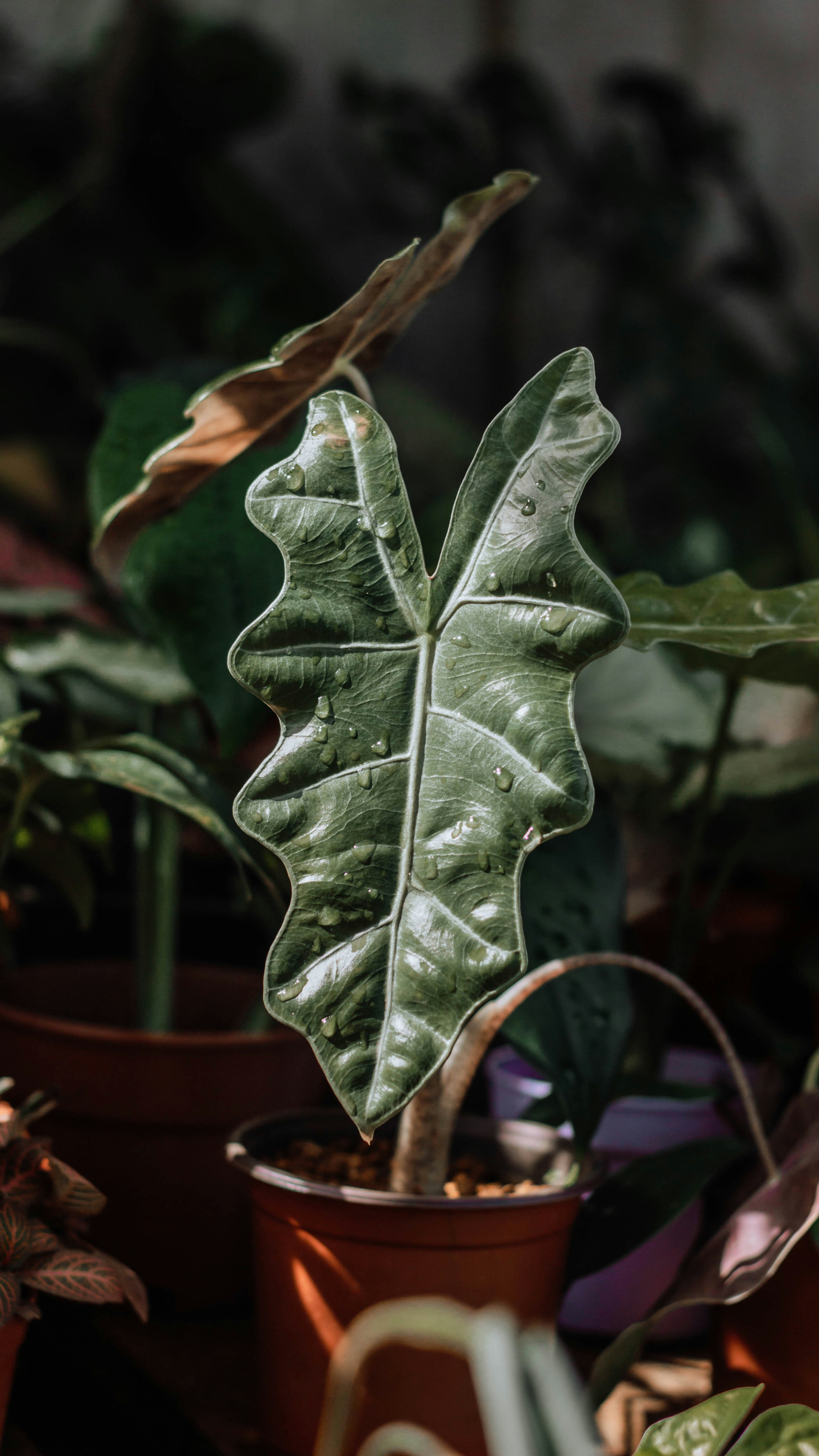
Dramatic foliage, striking shapes, and leaves that look almost too beautiful to be real. From elegant elephant ears to the intricate texture of Dragon Scale, Alocasia brings a little tropical magic indoors.
Before You Buy
Is this plant right for your home?
Alocasias are loved for their dramatic foliage and striking leaf shapes, but they can be sensitive to changes in their environment. A little extra attention goes a long way toward keeping them happy.
You love unusual tropical foliage and can provide bright, indirect light, warmth, and consistent care.
You want a very low-maintenance plant, have a particularly cold or dry home, or need a plant that's safe around curious pets.
Some Alocasias slow their growth or lose leaves during cooler, darker months. This can be a natural response to seasonal changes rather than a sign that the plant is dying.
Care Basics
Keep it warm, bright, and comfortably humid.
Alocasias thrive when their tropical growing conditions are recreated indoors. Consistent warmth, careful watering, and plenty of indirect light will help encourage healthy, beautiful foliage.
Keep the soil lightly moist, not soggy
Water when the upper inch or so of potting mix begins to dry. Use a well-draining mix and never allow the roots to sit in standing water.
Provide bright, indirect light
Place your Alocasia where it receives plenty of filtered sunlight. Avoid harsh afternoon sun, which can scorch its delicate leaves.
Maintain warmth and humidity
Keep your Alocasia away from cold drafts and heating vents. Many varieties appreciate humidity around 50–70%, along with good airflow.
What Usually Goes Wrong
When the leaves complain, look for clues.
Alocasias can be sensitive to changes in their environment. Yellowing leaves, brown edges, and unexpected leaf loss are often signs that their growing conditions need attention.
Yellowing leaves
Check for overly wet soil, poor drainage, or sudden changes in light. An older leaf may also yellow naturally as new growth develops.
Brown or crispy edges
Low humidity, inconsistent watering, or excess fertilizer can contribute to brown leaf edges and dry patches.
Drooping or disappearing leaves
Check the roots, moisture, and temperature. Some Alocasias also enter a period of reduced growth or dormancy when conditions become cooler or darker.
More Alocasia Help
Even beautiful leaves have their challenges.
Yellowing leaves, drooping stems, and unexpected changes can leave you wondering what's wrong. Explore some of the most common Alocasia care questions.
Why Are My Alocasia Leaves Turning Yellow?
Learn how watering habits, root health, seasonal changes, and natural leaf aging can contribute to yellowing foliage.
Troubleshoot Yellow Leaves →Why Is My Alocasia Drooping or Losing Leaves?
Understand how temperature, moisture, environmental stress, and seasonal dormancy can affect your Alocasia's growth.
Drooping & Dormancy Guide — Coming SoonGood Match For
This might be your plant if...
You love dramatic tropical foliage, enjoy caring for plants that need a little extra attention, and have a warm, bright spot where your Alocasia can become a beautiful feature of your home.
Find your plant match →